
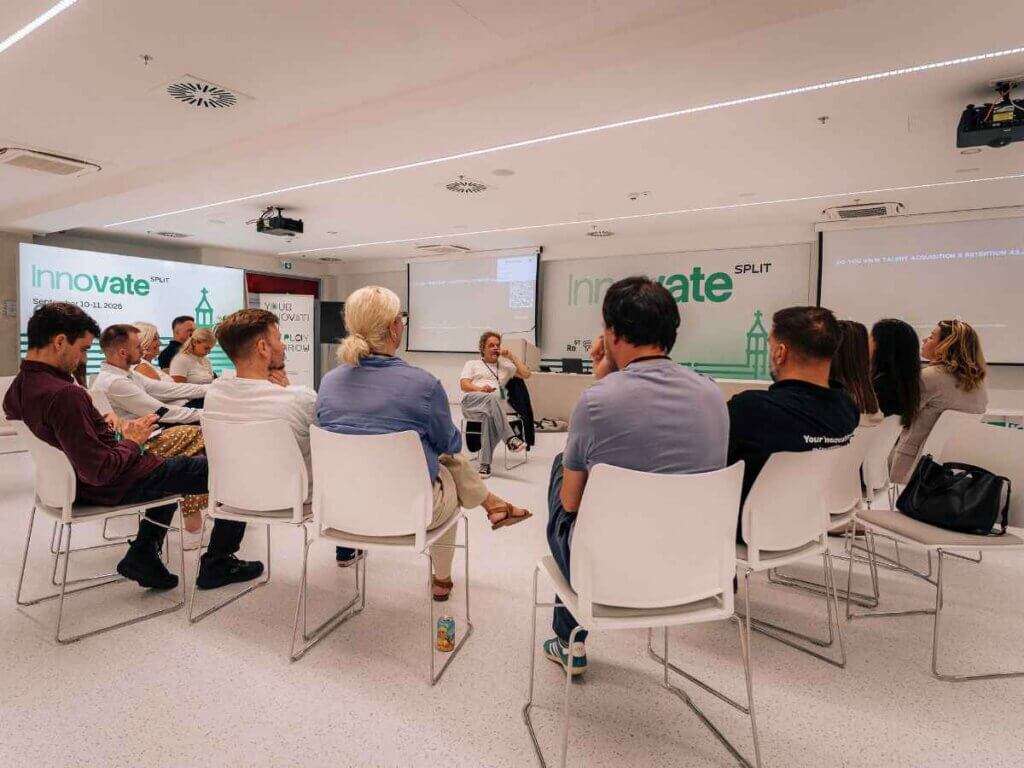
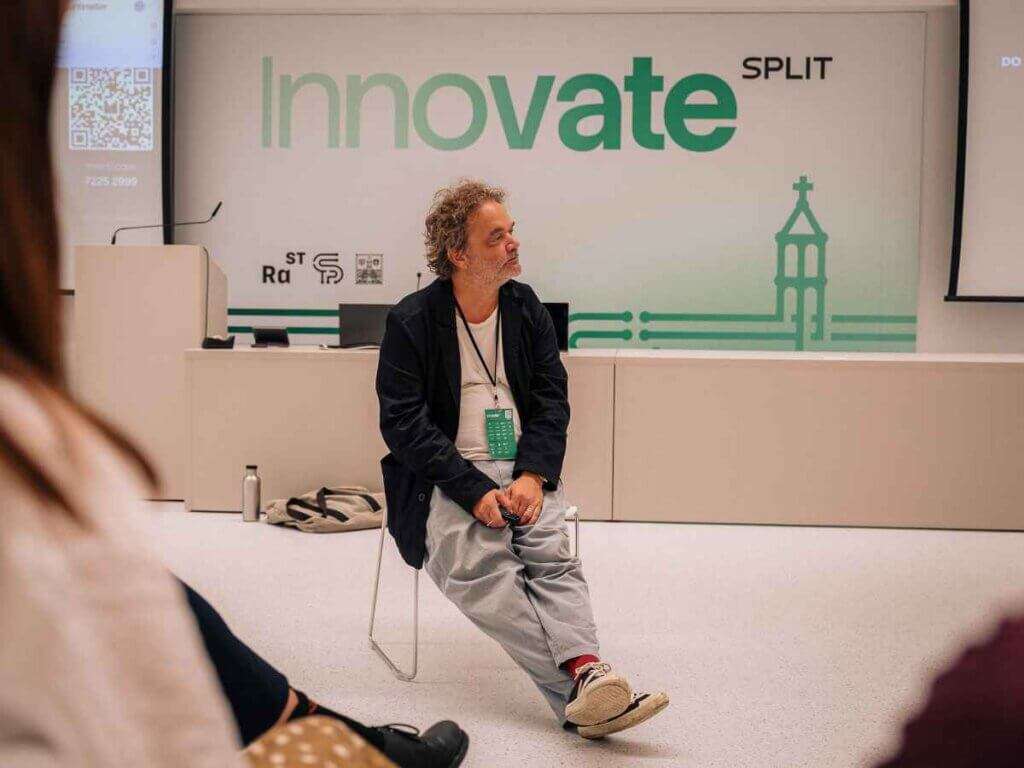
An innovation culture in startups depends on how a company treats its people, not only on what it builds. That was the starting point of the workshop our partner Michael Kubiena held on September 11, 2026, at Innovate Split 2026 at Technology Park Split (Tehnološki park Split), Croatia: The Missing Link between Talent Acquisition and Retention Strategies: The Employee Value Proposition.
For accelerators and program managers, the workshop addressed a common gap: most early-stage startups have no dedicated HR function, yet their People and Culture decisions shape whether innovation can take hold.
Michael Kubiena is a Partner at Konsultori, focusing on Organisation Design, Leadership and Culture, with 25 years of experience across Central and Southeastern Europe.
Innovate Split brings together 50+ speakers on four stages, with a focus this year on innovation, investments and ecosystems. Within that programme, our three-hour session approached innovation from the People and Culture side: what the Employee Value Proposition (EVP) framework has to do with innovation, what is innovative about it, and how it supports an innovation culture across a whole organisation.
This post summarises Michael’s key points and what accelerators and program managers can take from them for the startups they support.
What Is an Employee Value Proposition?
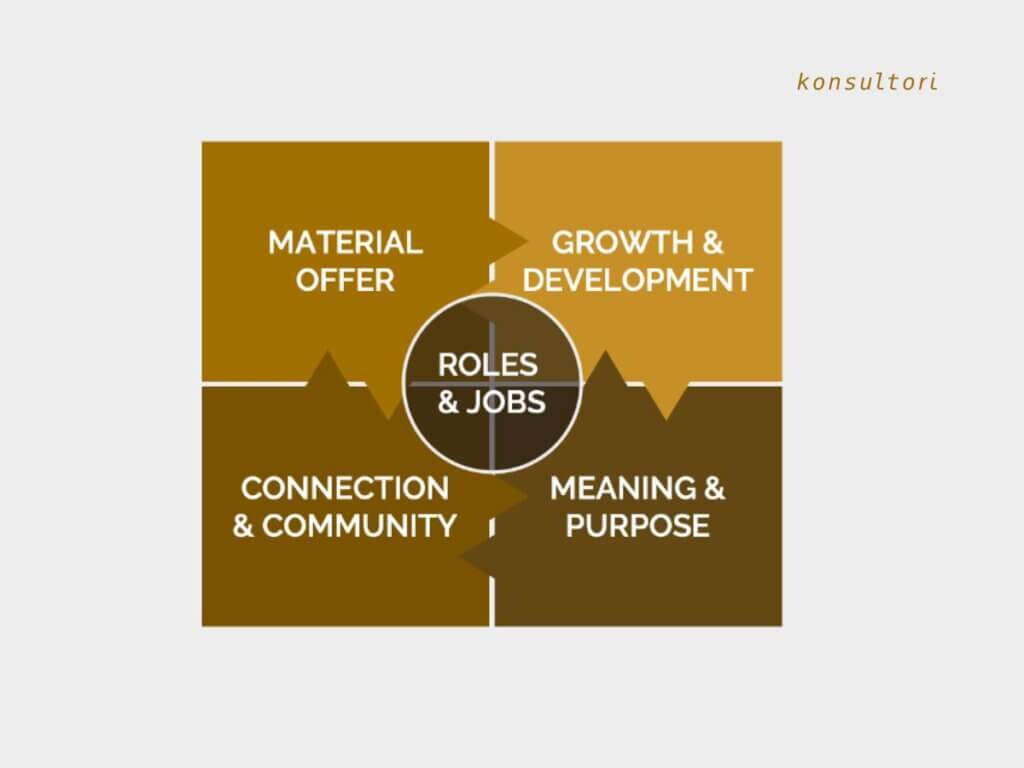
An Employee Value Proposition (EVP) mediates between an organisation’s employer brand and the experience its employees have. It connects five elements (roles and jobs, material offer, growth and development, meaning and purpose, connection and community) into one framework that aligns what employees expect with what the organisation needs.
If the employer brand is the promise, the EVP is the proof.
Michael Kubiena, Partner, Konsultori
People and Culture for Startups Without an HR Function
Where a team has no dedicated HR function, its leadership team has to take on the People and Culture role. This is the situation our Employee Value Proposition workshop is geared towards, and it is where a framework helps most: it gives non-specialists a structured way to make People and Culture decisions.
The takeaways below follow Michael’s argument for why this framework belongs on an innovation agenda.
Key Takeaways from the Workshop
The Innovate Split 2026 programme set out four themes for Michael’s session:
- How to connect and synchronize talent acquisition and retention strategies
- The need for a strong employee value proposition
- The constituting elements of such a proposition and how they add up and work together
- Real-life examples and applications of the conceptual framework of the employee value proposition – both, in talent acquisition and retention practices.
1. Innovation is more than products and technology
The common view treats innovation as a matter of products and technology. Michael’s starting point was to challenge that notion: to embed innovative spirit across the entire organisation, People and Culture has to foster innovation instead of standing in its way.
What to do: review your People and Culture practices with one question in mind: do they foster innovation, or obstruct it?
2. The EVP connects employer brand and lived experience
The EVP mediates between employer brand and lived employee experience. A promise made to candidates only counts if the experience matches it. Our Employee Value Proposition Consulting page explains how this works in practice.
What to do: compare what you promise candidates with what your team experiences, and close the differences.
3. Acquisition and retention are one topic
Treating talent acquisition and retention as two separate tracks splits what is really one relationship between an organisation and its people. The EVP connects them into a meaningful whole.
What to do: build recruiting messages and retention practices on the same framework, so that the people you hire find what you described.
4. Five elements form one coherent framework
The EVP connects five distinct, key elements:
- Roles and Jobs
- Material offer
- Growth and development
- Meaning and purpose
- Connection and community
Each element can be worked on separately, but the value of the framework lies in how they add up and work together.
What to do: assess all five together before changing any single one.
5. Alignment is what makes the framework work for innovation
The EVP aligns what employees expect with what the organisation needs. Because roles, rewards, growth, purpose and community are considered together, People and Culture can foster an innovation culture across the organisation instead of working against it.
What to do: use the five elements as a checklist for whether your practices support the innovative spirit you want.
Innovation Culture in Startups: Common Questions
How can startups without an HR department build an innovation culture?
Their leadership team takes on the People and Culture role. A framework such as the Employee Value Proposition gives non-specialists a structured way to make these decisions, so that People and Culture practices foster innovation instead of obstructing it.
Why should accelerators address People and Culture?
Innovation is not limited to products and technology. If a startup’s People and Culture practices work against innovation, the innovative spirit stays confined to the product team instead of spreading across the organisation.
What are the elements of an Employee Value Proposition?
Roles and jobs, material offer, growth and development, meaning and purpose, and connection and community. The framework’s value lies in how the five work together.
Closing
Thank you to Tehnološki park Split for organising Innovate Split 2026 and for giving this topic a place on the programme. The framework we discussed in Split is also available to the startups you support.
-> Startup Workshops with Konsultori: Go-to-Market, HR, and Sales at the AWS First Incubator