
On October 28, 2025, a critical pattern emerged at the Born Global Launchpad: 74% of high-growth tech startups fail due to “Premature Scaling” (Startup Genome Report, 2019). Yet, most founders still underestimate the multi-dimensional preparation required for successful international expansion.
The event at Vienna’s Social Hub brought together startup founders, scaleup teams, and international market experts for an interactive deep dive. One of the workshops, our Scaling Readiness Lab, demonstrated through data from over 100 startups: excellence in just one dimension—whether funding, product, or market fit—simply isn’t enough. The liveliest discussions revolved around People & Culture, identified as the most underestimated factor in international expansion.
Takeaway: Successful international expansion requires balanced readiness across all scaling dimensions, not excellence in just one area.
Why This Event Matters for Austrian Startups
The Born Global Launchpad addresses a gap in Austria’s startup ecosystem: structured preparation for international markets. While Vienna produces strong startups, the path to global markets remains challenging without systematic guidance.
The costs of premature expansion extend beyond finances—wasted time, damaged reputation, and depleted team morale. Rather than simply urging founders to “go global,” the Launchpad emphasised self-assessment and understanding your position across multiple dimensions.
As Elena Frauenlob, Project Manager of Scaleup Services at the Austrian Federal Economic Chamber, put it:
The bridge to global markets exists—and the best way to cross it is together.

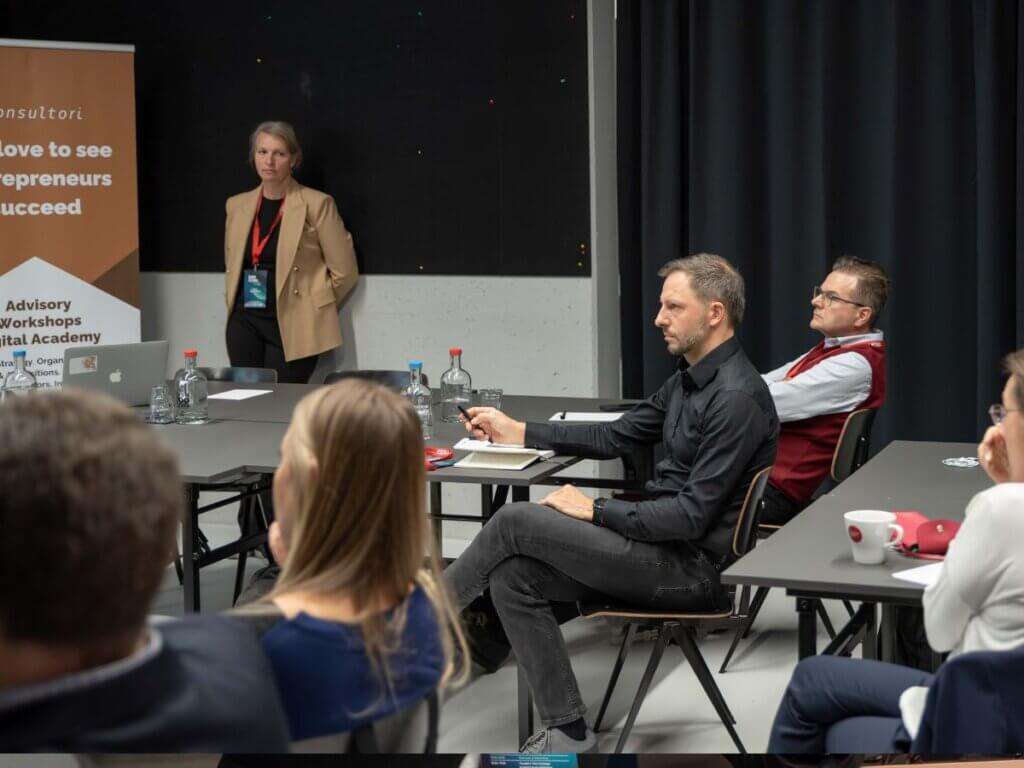
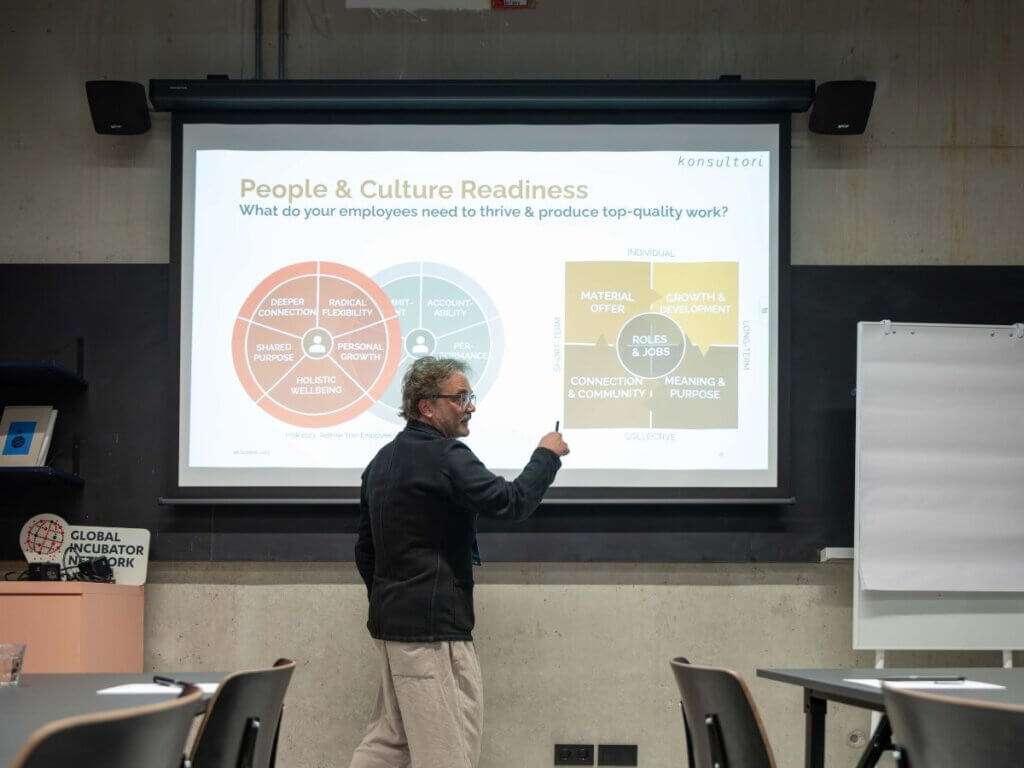
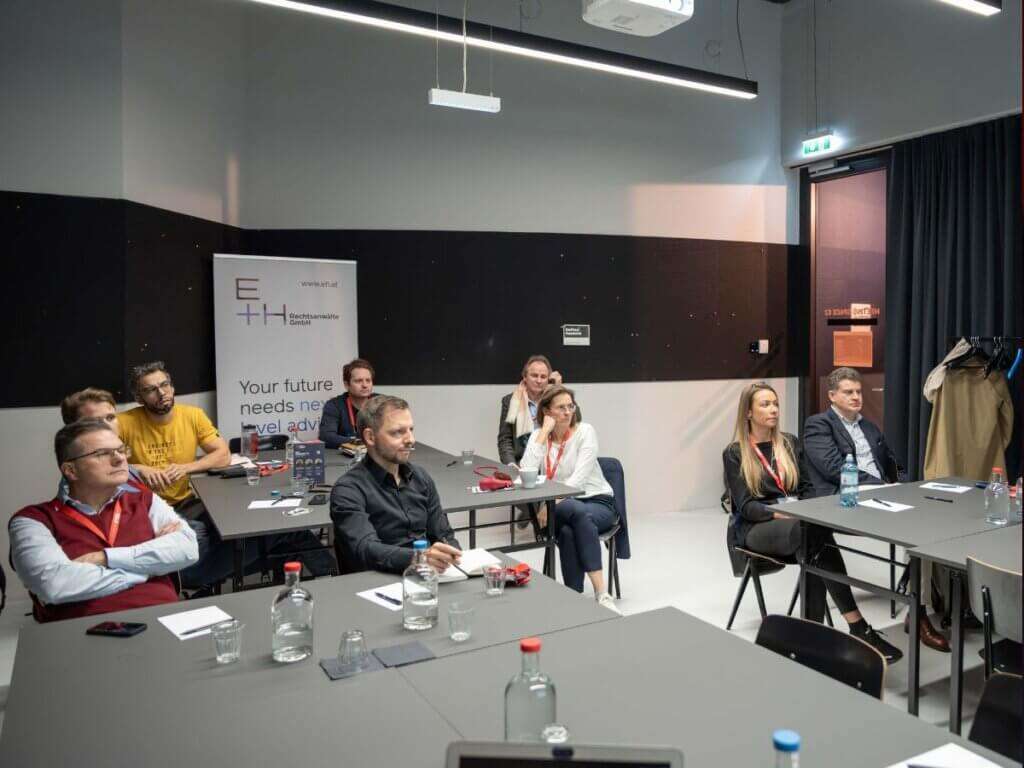
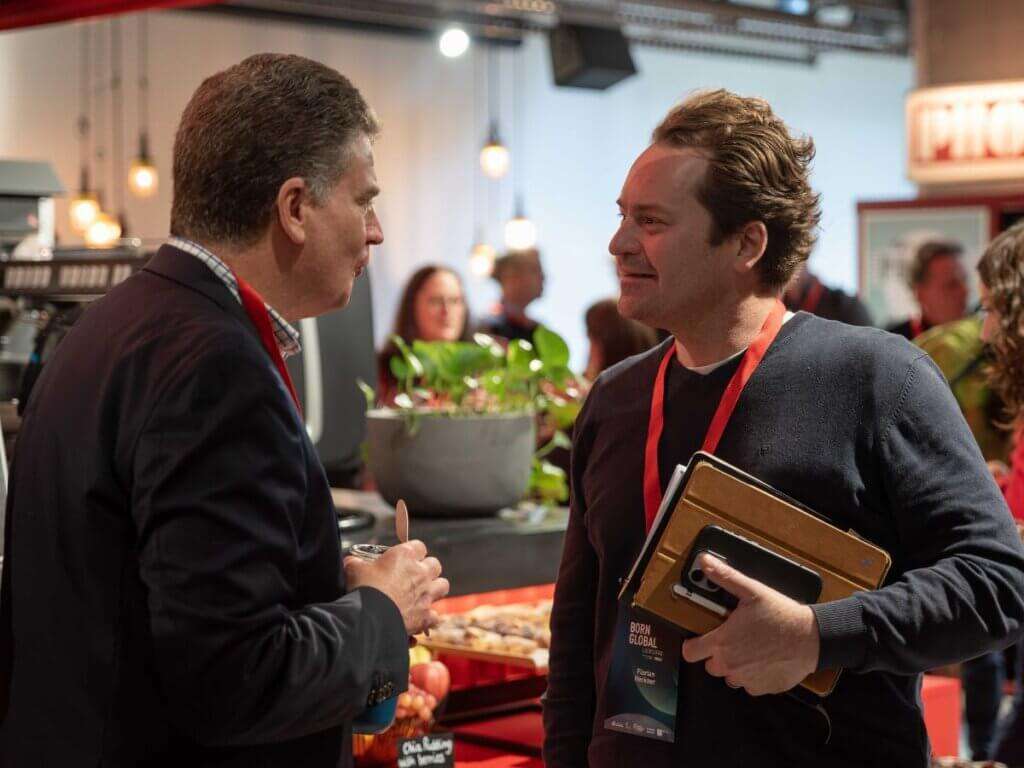

Born Global Launchpad WS Konsultori © Lorin Canaj
Key Insight #1: Balanced Readiness Beats Single-Dimension Excellence
International expansion requires simultaneous readiness across 12 critical dimensions. This formed the core of the Konsultori Scaling Readiness Lab, presented by Petra Wolkenstein (CEO) and Michael Kubiena (Partner).
Konsultori’s analysis of over 100 startups reveals a striking pattern: many score high in obvious areas like Product-Market-Fit or Funding but fall dangerously short in less obvious dimensions like People & Culture or Strategy Implementation.
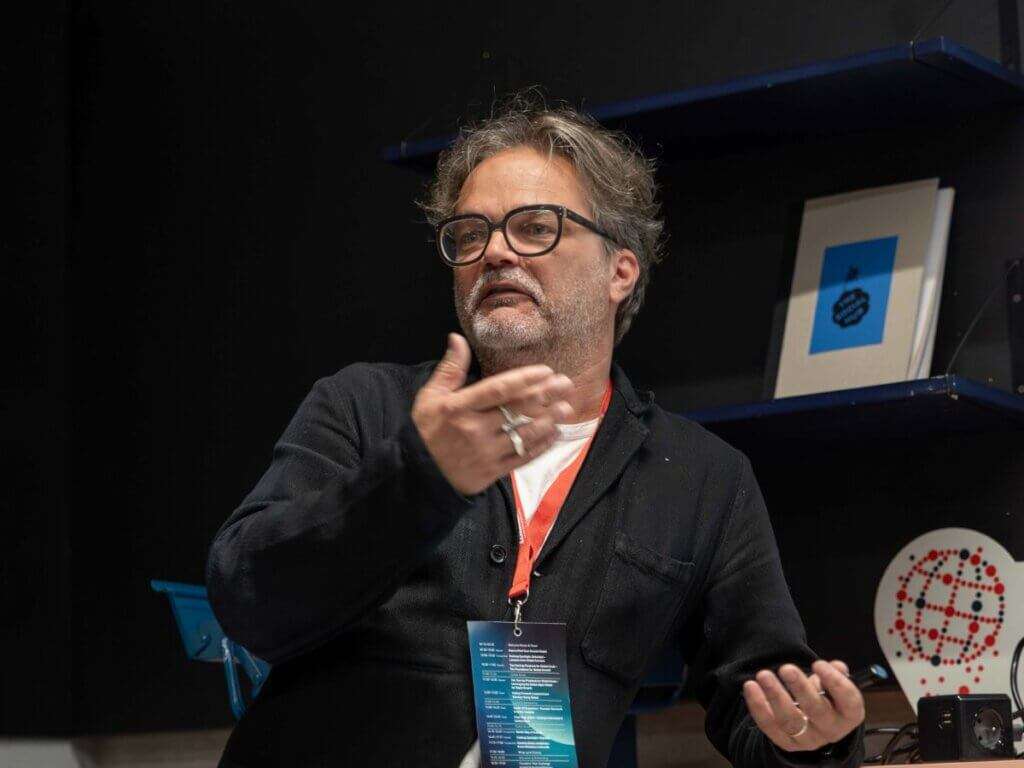
Scaling Readiness Lab with Petra Wolkenstein and Michael Kubiena helped assess what true scale-readiness means.
shared Manuel Mertl, CEO & Co-Founder of TAGBASE, on LinkedIn.
The framework challenges a common assumption: that strong product and sufficient funding automatically lead to scaling success. Instead, it shows that neglecting even one dimension creates bottlenecks that can derail international expansion.
Takeaway: Excellence in one dimension cannot compensate for weakness in others; international expansion requires minimum thresholds across all 12 dimensions simultaneously.
Key Insight #2: People & Culture Is a Business Function, Not Just HR
The most energetic discussion of the Lab centred on treating People & Culture as a core business function rather than just an HR task. Petra Wolkenstein and Michael Kubiena introduced the Employee Value Proposition Framework as a strategic scaling framework. centred on treating People & Culture as a core business function rather than just an HR task. Petra Wolkenstein and Michael Kubiena introduced the Employee Value Proposition Framework as a strategic scaling framework.
This matters because in most startups, responsibility for the work environment usually rests with one of the co-founders, not a dedicated HR professional. The framework approaches People & Culture from a business perspective—focusing on how culture enables or constrains international expansion.
Founders struggle most with maintaining cultural consistency across international teams while adapting to local expectations.
The framework helps founders articulate their value proposition for employees in different markets, understanding diversity as an asset and not an obstacle, while ensuring cultural coherence without forced uniformity. This becomes critical when competing for talent in markets where your brand recognition is zero.
Takeaway: Treating People & Culture as a strategic business function enables founders to scale internationally while maintaining cultural coherence.
Key Insight #3: Self-Assessment Reveals Blind Spots
The surprise came from how the assessment revealed imbalances. Many founders discovered they were “uneven scalers”—highly developed in some dimensions but dangerously unprepared in others. Strong product and engaged early customers can mask critical weaknesses in funding strategy or operational scalability.
The Konsultori experts emphasised: reaching certain thresholds before scaling doesn’t mean perfection—it’s about avoiding critical failure points. A startup that’s 90% ready in eight dimensions but only 30% ready in four will fail in those four dimensions during international expansion.
Takeaway: Structured self-assessment combined with expert feedback reveals blind spots that prevent expensive market entry mistakes.
What This Means for Austrian Startups
Austrian startups have strong product and technical foundations, but consistently underestimate the operational and cultural preparation required for successful international expansion. This explains why many promising Austrian startups struggle in international markets despite obvious opportunities.
The contradiction: founders understand that scaling is difficult, yet they prepare as if international expansion were simply “sales in a new market.” The Scaling Readiness Lab Framework challenges this by quantifying gaps across twelve dimensions—making abstract scaling challenges concrete and actionable.
Austria’s startup ecosystem has matured significantly, producing increasingly sophisticated technical products. However, systematic scaling preparation—particularly in People & Culture and Strategy Implementation—lags behind technical excellence. This creates “one-dimensional stars” that excel at products but fail at scaling.
Conclusion
The Born Global Launchpad demonstrated that successful international expansion isn’t about having the best product or most funding—it’s about balanced readiness across dimensions that most founders underestimate. Premature scaling kills startups not through lack of opportunities, but through inadequate preparation for the operational complexity that international markets demand.
Particularly impressive: founders who deliberately delayed market entry to build scaling systems. In a startup culture that celebrates “move fast, break things,” this disciplined approach seemed almost radical—yet delivered better results than rushed expansion.
Special thanks to Elena Frauenlob and Gregor Posch from WKO and Vienna Business Agency for creating this valuable learning opportunity. Their commitment to providing structured frameworks rather than generic inspiration sets Born Global Launchpad apart.
The next wave of successful Austrian startups will consist of those who master systematic scaling preparation before international expansion, not those who rush to market first. The Scaling Readiness Lab and events like Born Global Launchpad provide the frameworks for this shift.